|
|
| Increased buyer demand spurred by low mortgage rates, a shortage of listing inventory, home price appreciation, and underlying strength in the local economy resulted in a strong housing market for 2019. This report outlines long-term housing trends at both the local and national level. Please don't hesitate to reach out is you have questions about my State of the Market Report. And remember, I'm never too busy for referrals! To keep up on the latest local housing market trends, contact me to receive a copy of my monthly housing report or to get notified of real estate activity happening in your neighborhood.
Toby Parks, Long Realty
(520) 310-0122
|
Showing posts with label relocating to Tucson Arizona. Show all posts
Friday, January 31, 2020
2019 State of the Market Report ~ Tucson & Southern Arizona
Wednesday, January 29, 2020
No Place Like Home
IN SECTION: HOME
Seniors have lots of options to adapt their houses without a major remodel. Here’s how you can help.
By Barbara Ballinger
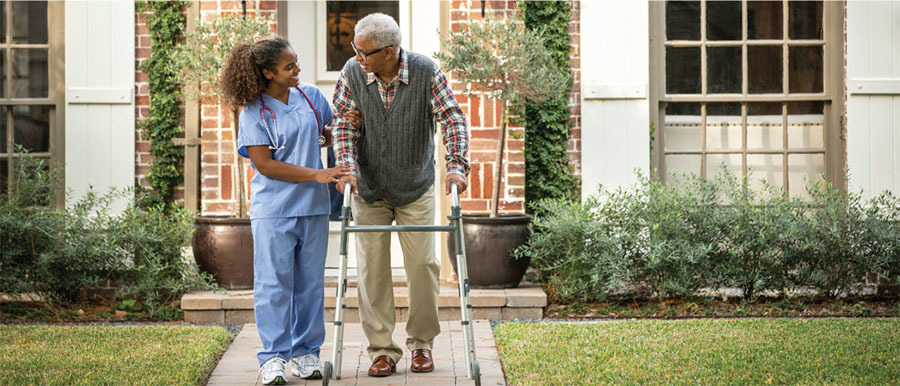
Viewable Image - no place like home
Image Caption
© TERRY VINE / DIGITALVISION / GETTY IMAGES
A lot of older adults aren’t going anywhere. Even the pools, gyms, coffee bars, and cooking classes at many senior living communities can’t persuade some to sell the house where they raised their families and accumulated a lifetime of memories and possessions. A full 76% of Americans age 50 and older say they want to remain at home throughout their golden years, according to an AARP survey. So what are the smartest decisions people can make in pursuit of that goal?
Most experts say anyone 55 years and older should plan their future living situation long before they have difficulty climbing stairs or stepping into a bathtub. Too often, people make changes in where they live only after a crisis like a serious fall or stroke—which compounds the stress on them and their family. A new category of home auditors can help clients analyze which modifications can be the most helpful. Daniel Edwards, owner of the Handyman Connection in Hanover, Mass., is developing a program to train people to conduct an aging-in-place analysis that includes a checklist of options.
The movement to age in place is gaining attention from real estate practitioners and a bevy of other professionals, from designers and architects to health care advisers schooled in accessible design. Agents and brokers with expertise in this niche, like those with the Seniors Real Estate Specialists designation, can help clients adapt their homes to address physical or cognitive impairments or find homes that will better meet their needs.
There are now "living laboratory" homes that allow people to see possibilities first-hand. Rosemarie Rossetti’s Universal Design Living Laboratory in Columbus, Ohio, showcases what she needed to live independently after a bicycle accident that left her paralyzed. Also in Columbus, Lisa Cini, founder of Mosaic Design Studio, is transforming a home to demonstrate accessible features to the public.
These strategies offer great support at reasonable cost for many aging-in-place homeowners and can help you be the adviser your clients need.
Design Modifications
Better Living Design in Asheville, N.C., and architect Jeffrey DeMure, author of Livable Design, recommend four steps to improve existing homes: putting essential spaces on a main level, including a first-floor bedroom; creating a zero-step entry; ensuring good interior air circulation; and improving kitchens and bathrooms.
When steps lead up to the front door, getting into and around a home can be a logistical nightmare for someone who uses a wheelchair. Another challenge is interior hallways and doorways that are too narrow for wheelchair users or someone with a walker to pass through. Often these situations are found when an apartment building, condominium, or house was constructed before the Americans with Disabilities Act became law in 1990. While private homes don’t have to meet the same strict criteria as public buildings, such as door openings at least 32 inches wide, more builders and architects are following the same guidelines so their designs work for everyone, a tenet of universal design.
When an alternative to front steps is needed outside, a basic aluminum ramp runs $3,000 to $6,000, while a nicer wood design could be double that price, says Edwards. An elevator is more costly—typically starting at $15,000—and many homes don’t have the space to accommodate one, says Princeton, N.J., architect Joshua Zinder.
Rooms can be switched around to avoid taking down walls or putting on additions, Zinder says. After his dad had a stroke, Zinder transformed his father’s home, making a living room into a bedroom because it was more accessible to a bathroom, and making the original bedroom into a den. Zinder also worked on architect Michael Graves’ home after Graves became paralyzed from a spinal infection.
Because falls can be devastating for an elderly homeowner, Daejin Kim, an aging-in-place expert and assistant professor of interior design at Iowa State University, suggests horizontal rather than vertical storage so homeowners don’t have to use stepstools. Falls can also be avoided by removing area rugs and electrical cords that span across a room.
Those with poor eyesight benefit from rooms painted with lighter colors, says Jennifer Naughton, executive vice present and risk consulting officer at insurance company Chubb North America. For a homeowner in a wheelchair, lowering even one countertop can improve their daily living, says Dak Kopec, an associate professor of health care interior design at the University of Nevada, Las Vegas.
Because spending quality time outside can help increase serotonin and lessen anxiety and depression, Kopec recommends modifying outdoor space so it’s accessible to all.
Home Products
Apart from architectural and design changes, new products can make most facets of life easier for older homeowners. A stair or chair lift provides a relatively easy, affordable way to get to a second or third floor in a multilevel home or apartment. Most run under $2,000. And although remodeling a bathroom can become expensive—$33,374 for a midrange universal design space, according to building industry publisher Hanley Wood—switching out a tub for a curbless shower with a bench is affordable and helps "avoid an accident waiting to happen," says Kopec.
A heat lamp in a bathroom helps older adults cope with the common problem of feeling cold. "It’s an easy retrofit to remove a fan and rewire for the lamp," says Edwards. He also likes to add touchless faucets for those with arthritic hands and replace doorknobs with easier-to-turn lever handles. Grab bars look less institutional in a nylon coating or a sharp black, red, or yellow color, says Zinder. Consider grab bars for kitchens and in hallways for safer walks around the home. Adequate lighting helps, especially for nighttime bathroom visits. Because bending and reaching deep into a cabinet can become harder, items like ShelfGenie’s custom pullout shelves retrofit base cabinets without a major remodel, says ShelfGenie CEO Andy Pittman.
The latest technology—robotic vacuums and lawnmowers; security systems, and smart-home devices that control lighting and temperature—are also assets for coping with aging’s challenges, Cini says. And insurance companies are leveraging Papa Inc., a company that provides college-age "grandkids on demand" to assist older adults with transportation, chores, tech lessons, and more.
Toby Parks, SRES
REALTOR LONG REALTY
p: (520) 310-0122
Tuesday, April 23, 2019
Moving Tips for Senior and People with Disabilities
Hiring movers,
downsizing and processing emotions are just some of the things you’ll have to
consider when helping a senior or individual with disabilities move into a new
home. Fortunately, there are some resources to help make the move easier.
Moving for seniors and people with disabilities is not only
physically challenging; it carries with it heavy emotions as well. Many
intricacies are involved when seniors or people with disabilities relocate —
whether by choice or by circumstance. In virtually every case, physical
assistance will be required, either via professional movers or with the help of
friends and family, among other considerations.
Downsizing, packing
efficiently, and even renting a storage unit represent just a few
aspects of moving for seniors and people with disabilities. If you are helping
a senior or disabled person move, you’ll want to start planning as soon as
possible. This guide full of moving tips will help you get started.
Make a Moving Timeline
Planning a move is a
laborious process. Senior citizens may have a lifetime’s worth of items to pack
for, while people with a disability may need to transfer and install vital
medical equipment. Either way, it helps to have a moving checklist to keep you on track throughout
the relocation.
Since the moving process will likely take longer for the elderly
and/or people with disabilities, you should begin planning a move as early as
possible. Some tips for moving with the elderly and disabled include:
·
Establishing a timeline.
·
Setting a budget.
·
Researching moving companies.
·
Enlisting friends and family for help.
·
Downsizing.
·
Packing.
·
Mentally preparing for a change.
·
Scheduling utilities and things they’ll need in their new home.
No matter who is involved, a moving checklist helps break a
monumental undertaking into small, manageable chunks.
Downsizing
Downsizing is almost
always necessary when moving elderly parents into an assisted living facility
or nursing home. However, culling down the many items a senior has collected
over the years is no small chore. Often, these items carry sentimental value
and can be difficult to part with. Downsizing can be hard for a senior for several
other reasons as well, but, with the right approach, the entire process can be
made less stressful.
Marie
Kondo, a tidying expert, and her KonMari Method have become wildly
successful. This is because she asks the right questions to help mentally
prepare people to keep or discard their personal belongings. Having a process
like the KonMari Method can help your senior to downsize. Ask them a couple of
simple questions, such as does this item bring you joy?
Analyzing items a person may be hanging onto in this way —
clothes, furniture, sentimental objects, and more — can help someone better
decide whether to keep them or not. Downsizing in this way can become much less
emotionally taxing on a person when there’s a clear end goal.
Nursing Homes and Assisted Living
Making the emotional
transition of moving into an assisted living facility can be trying. But you
can take certain steps to help ease this transition and
make their new living situation feel more like home.
Loved ones and friends can help facilitate this transition by:
·
Helping with packing and moving.
·
Staying positive and providing support.
·
Calling and visiting often.
If not adequately
prepared, loved ones and friends can also hinder this process. It may help to
investigate the dos and don’ts of moving a senior into assisted care.
Packing Tips
A moving checklist,
timeline, and downsizing efforts all pave the way toward the most crucial
element of moving — packing. This will require special consideration concerning
physical limitations, packing efficiently, and the probability of asking for
or hiring help.
Get Packing Boxes
For everyone involved in
the moving process, packing boxes in the correct way is crucial
to minimize the risk of injury and, overall, to make the moving process easier.
When packing boxes, it is best to err on the side of packing them lightly. This
way, most anyone can pick up and transport these boxes safely. Even if it is
the case that you have thicker, sturdier boxes, overloading them is likely to
make things more difficult, rather than easy.
Boxes should always be labeled appropriately, not only to
identify the possessions inside, but to determine items that will be needed
immediately, in the near future, and at a later date. Being able to locate your
items will make it easier to keep track of what you need and will make the
unpacking simpler. For example, things that will be needed immediately can be
packed last on the moving truck to be the first out at the new location.
Consider Using Storage Solutions
For items not needed
immediately, articles that won’t fit in a smaller living space or items that a
person just can’t let go of, storage may help. Assisted living facilities may
provide services that will make it unnecessary to bring specific personal components,
as they are offered on location. Other facilities may have more or less
opportunity to bring along personal items. Fortunately, storage units come in many sizes and offer
solutions to accommodate any amount of items.
For those who would
rather their sacred belongings be close by — where they can have the peace of
mind of knowing exactly where their items will be, and that they’ll be safe
— storage units come with security features. Storage
units provide an alternative to giving away or discarding personal possessions,
with the added bonus of safety and security.
Hiring Movers
There may be instances
when the friends and family of seniors and/or people with disabilities cannot
assist in the move. Perhaps there isn’t enough time to get everything done
before moving day. Moving services are available expressly to help seniors and
others in need when moving.
For example, the National Association of Senior Move Managers (NASMM) can provide assistance. NASMM and specializes in helping seniors with the logistics of moving and downsizing. Those with disabilities can find moving services designed specially to help them with tasks such as lifting or transporting boxes. Many of these services are available at the local or national level.
Financial Assitance
Moving can take a financial toll on anyone, and seniors
or people with disabilities are no different. Several organizations are making
financial assistance available for those who will need help during their move.
They may even shoulder some of the cost it will help to hire movers. If the
cost of moving will be a concern, contact one of the following agencies:
·
Administration
For Community Living (ACL): The ACL works with state and local
governments. The organization has awarded more than one billion dollars in
discretionary and mandatory grants to support services for seniors and people
with disabilities.
·
ADAPT:
This national grassroots organization is dedicated to the promotion of civil
and human rights for people with disabilities.
·
Association of University Centers On Disabilities (AUCD):
The AUCD provides services
Moving Day Advice
Moving day may be yet another stressful day for seniors and
people with disabilities. Seniors may find it hard to move out of a place that
they’ve called home for so many years. T, while those with disabilities might
struggle with what they are physically capable of in their new location. Both
groups may be frustrated by not having some of the things they had in their old
homes.
During this time, it is important to remember that not
everything has to be done right away. This emotional adjustment period, coupled
with a significant change in living conditions, will take some getting used to.
Stay positive and remember that this move is for the best. While this will be a
significant transition, some measures can be taken to help lessen the emotional
impact.
Pack an Overnight Bag
It is helpful during the packing phase to pack an overnight bag.
An overnight bag will ensure that every item needed immediately is present and
accounted for. It may also be nice not to have to dig through boxes at the end
of the already long day. Clothes, toiletries, medication, medical equipment and
charging cords on hand will allow for a comfortable night and next morning.
Keep Track of Essentials
To help keep comfort levels up, maintain a regular routine, and
prepare for the next day and week, essential items should be tracked down and
unpacked early. Seniors and those with disabilities can set themselves up to be
ready for the immediate future. They, and will feel better about the move if
they know where the plates and silverware are when they want to eat, or where
pillows and fresh sheets are when they want to get some sleep.
Medical equipment and disability aids should be either in the
overnight bag, in the back of the moving truck, or in the car for immediate
access. Someone in their 30’s without disabilities might do just fine after
forgetting these essentials — however, seniors and people with disabilities
might find themselves very uncomfortable, or even at the serious risk of
exacerbating a medical condition.
Recognize and Mitigate Hazards
Not every box is going to be unpacked and out of the house on
the first day. In fact, there may be several boxes in every room for quite some
time, as it will take seniors and the disabled more time to sort out these
boxes. The packing and unpacking process will be slow-going. To keep this
process smooth, and to minimize the possibility of injury, it will help to
understand and diminish the hazards that may materialize during the unpacking
phase.
Packing and unpacking slowly will help alleviate and prevent
physical exhaustion. Additionally, keeping clear paths through every room of
the house can help reduce tripping hazards or wheelchair/walker obstructions.
While this may not be something that most people will naturally think of, it is
a critical consideration for seniors and the disabled.
Be Ready to Deal with Emotions
It may very well be the case that a move for a senior or person
with a disability is done out of necessity, not by choice. It is not hard to
imagine that negative emotions might surface when a person cannot take care of
themselves anymore.
Seniors, disabled persons, and their loved ones can all do their
part in helping to turn these feelings around. Make sure the person you’re
caring for gets a fair amount of control over as many aspects of the move as is
reasonable. This can help them maintain a sense of autonomy. Additionally,
engage in regular talks about current feelings and fears of what may be to
come. Help them begin to maintain a daily routine and become active in the new
community. These steps can help a senior or person with disabilities gain some
closure and can help alleviate feelings of loneliness while prompting them to
be positive and look forward to their new life.
Create Jobs That Involve Everyone
To further facilitate feelings of independence and
companionship, loved ones should include seniors and disabled persons in the
moving process. To show that they have some say over everything that is
happening, involve them in the planning process. If they can lift boxes or
other moving duties, ask them to do so. If they can’t perform any lifting, have
them sit and break down boxes to be recycled or other light tasks. Anything you
can do to reinstate their feeling of autonomy can do wonders for their outlook.
Organizing in the New Space
In most moves, organizing
the new living space may seem like the easiest, most fun part. However, for
seniors and people with disabilities, organizing a new home can be a difficult.
Disability accommodations and equipment will have to be strategically placed,
and hazards will need to be mitigated.
Considering where to put these things can be difficult for those
going through this emotional time, and they may feel overwhelmed. While most
people who are in the act of moving may spend some time determining where to
put the living room houseplant, while those with disability and/or seniors will
have to consider the more severe implications of placing medical equipment in
the wrong place.
With the right
information, you can help a loved one through this trying process. The more
that you and your loved ones plan and prepare, the less stressful the move will
be for everyone, allowing for more time spent enjoying the company of family,
as opposed to moving their belongings.
Toby Parks, SRES
Realtor Coldwell Banker Residential Brokerage
520-310-0122
Email: tparksaz@gmail.com
Website: www.tobyparksrealestate.com
Friday, November 9, 2018
IN THE SPOTLIGHT Toby Parks, Coldwell Banker Residential Brokerage
Toby Parks
Senior Real Estate Specialist, SRES
(520) 310-0122
tparksaz@gmail.com
As a second generation, Arizona native and University of Arizona grad (GO CATS!) living in Tucson, my family and I have served this community for many years. I bring a wealth of insight and expertise about buying and selling real estate in Southern Arizona. Whether it's guiding a family while they consider options for their aging parents or helping a Senior age in place, I can help. If you're looking for a special pocket area on a golf course or want to live near the Loop, I can help.
My knowledge about schools, local things to do, restaurants, shopping, etc. will guide you to the perfect neighborhood.
Hiking Sabino Canyon and digging in the dirt planting my spring and fall vegetable garden are two of my very favorite things to do.
It may be hard to believe, but not all real estate agents are familiar with their local market. I live, work, invest and play in our community. I've built a reputation I'm proud of. Let me help you with your real estate needs.
Your real estate referrals will be professionally handled and greatly appreciated!
Sponsor of the SPOTLIGHT Senior Services & Living Options Guide. Visit us online today and say "I saw you in SPOTLIGHT!"
Tuesday, October 9, 2018
Make Yourself at Home In Tucson!
Su Swanne, Realtor - GRI, CSHP, SRES
Graduate, Realtor Institute
Certified Senior Housing Professional
Senior Real Estate Specialist
520-248-6297
Pictured here are French Marigolds - Marigolds are the Birth Flower for October. I remember my mother planting some of these in her garden when I was a kid. They have a most interesting scent; I could almost smell them as I was loading them onto the page! Marigolds of all varieties are great plants to brighten your Fall garden. If you are preparing your home for sale, consider using them to give a bright “punch” to your landscape. And CALL ME to arrange a listing appointment!
A Word About Real Estate in Tucson
The Housing Report on my webpage can give you some insight about the current value of your home. If you are thinking about moving up or moving away, you can get a close idea of how much money you could get for your home. If you like to see the numbers and graphs of the current statistics, just go to my website and enter your information. You might be surprised! Many of the homes that were under water a couple of years ago are now back to the place where they were before the downward housing spiral. Did You Know that you can subscribe to the monthly housing report and receive it in your email inbox automatically?
The Snowbirds are heading back this way as temperatures drop in the northern and northeastern states. The population in Tucson increases every year, and so does the desire to find a place to stay, or even buy a second home. If you know of someone who visits each year, and who has in mind a purchase, I would appreciate a referral to help them find exactly the right place.
Lookin’ For A Home?
A Word About Downsizing
Did I mention that I have downsized from a fifth-floor condo to a 25-foot travel trailer? That was 760 square feet to 200 square feet. I lived in that trailer for seven years. If you have any questions about downsizing, I have some answers! Sometimes folks want to downsize because they no longer want to manage a large home (and they might want to travel in an RV, or not!) Some folks find themselves in a situation where they must accommodate changes in their health and lifestyle. Whatever the reason, I can help in making the transition. Call me for a confidential, no-obligation consultation about selling your current home, and moving into a new situation.
A Word About Seniors
I just learned about a transportation service that assists Seniors to get around without needing a smartphone. The service is called GoGoGrandparent and it connects Seniors with drivers for Lyft and Uber without the confusion of looking for an app and becoming proficient with it. You can get the rides you need for doctor visits, shopping, hair salons, etc. by calling the number and creating an account. Although it’s been around for a couple of years, I just discovered it, so I wanted to draw your attention it. Now, there’s no reason for Seniors to not be able to keep moving!
Sign Up Now… for the Alzheimer’s Walk on November 10, 2018 at Reid’s Park in Tucson. Contact Nadine Hanson at 520-322-6601 - nahanson@alz.org to register or volunteer. The truth is...
- 1 in 3 Seniors die with Alzheimer’s or another dementia.
- Alzheimer’s Disease is the 6th leading cause of death in the United States.
- 5.7 Million Americans are living with Alzheimer’s and this figure is estimated to increase to 14 Million by 2050.
- Nearly ⅔ of Americans with Alzheimer’s are women.
A Word About Me
This month I am heading to Oklahoma City, OK to attend the 4th Annual Conference for Certified Senior Housing Professionals (CSHP), sponsored by the Senior Real Estate Institute. As I only received my designation of CSHP back in June,I look forward to meeting other Real Estate Professionals who assist Seniors through some of their more challenging phases of life. I’m excited about learning new ways of providing excellent services to my clients. I will report back in my next update.
Subscribe to:
Comments (Atom)